TrEnCh Project
TrEnCh
Tools for TRanslating ENvironmental CHange into organismal responses
Climate change models often predict ecological responses using coarse measurements of air temperature. But animals experience their environment at much finer resolution, responding to changes in environmental conditions at the scale of minutes and meters. We provide computational and visualization tools that translate coarse air temperature models into fine-scale predictors of how animals and ecosystems will respond to climate change. If we’re going to effectively fight climate change, we need to understand what it means for the plants, animals, and ecosystems on our planet.
Learn more >Browse our work
See our science in action
Discover our flagship projects with Colias butterfly and grasshopper resurveys, which we use to explore the physical and ecological consequences of climate change. For these projects, we put microclimate and biophysical models to work, to understand ecological and evolutionary change.
Learn more >Discover the basics of thermal ecology
Climate change is a formidable threat to biodiversity, but people don’t often understand the ecological implications of 2-degrees of warming or how air temperature translates to the fitness of animals. It all starts with thermal ecology and biophysical models.
Learn more >Harness the power of prediction
Part of the mission of the TrEnCh project is to create and share tools that empower others to forecast ecological responses to climate change. Here you can find a variety of computational and data visualization tools that we’ve been working on.
Learn more >project highlight
Wing coloration in Colias butterflies
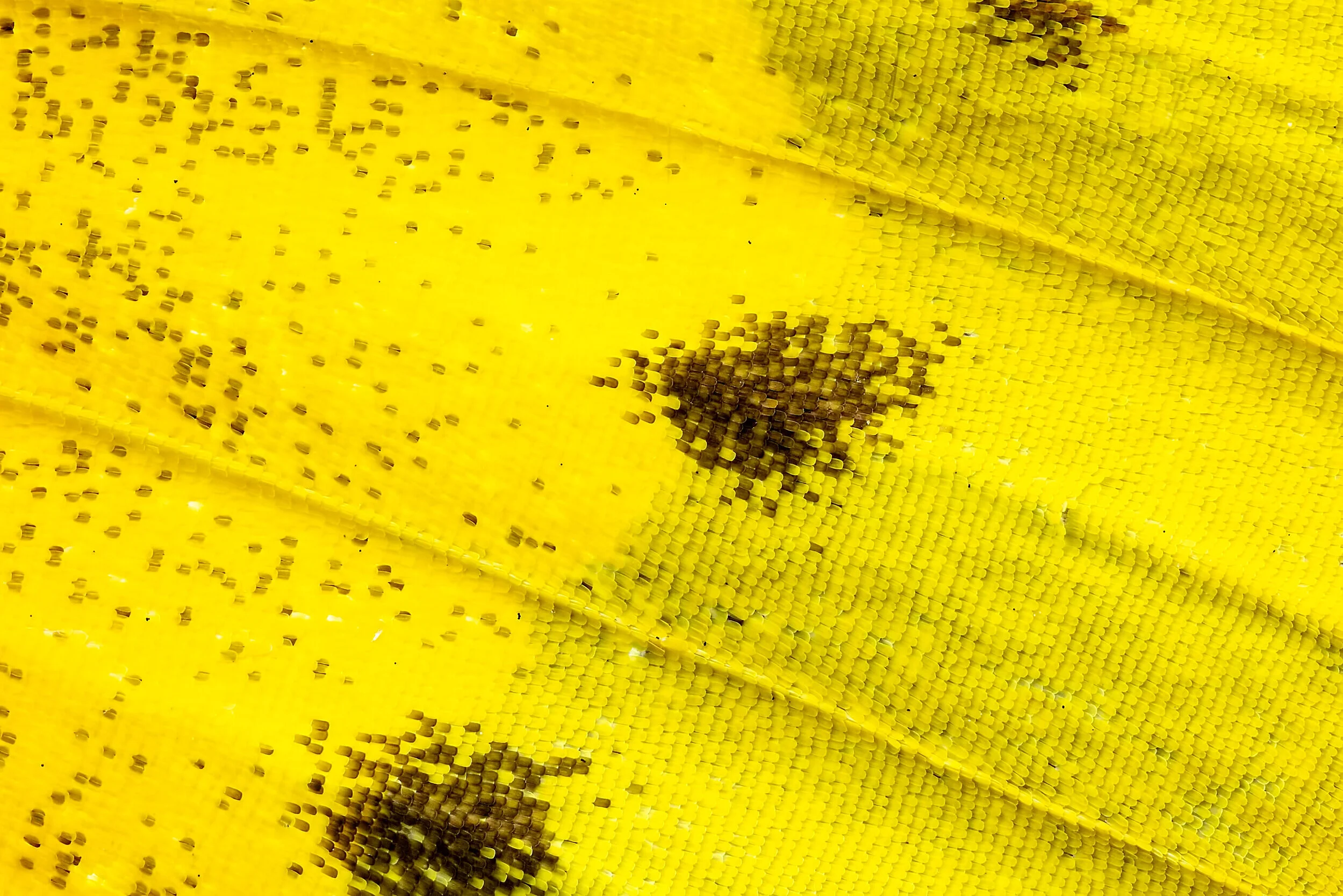
Colias butterflies, often called “Clouded Yellows”, live in mountain ecosystems and have developed traits that help them thermoregulate. Primarily, dark pigmentation on the undersides of their wings that helps them absorb radiation when they need to warm up.
But what happens when high elevation environments get hotter? The answer isn’t what you might expect.
See the case study >project highlight
Alexander Grasshopper Resurvey
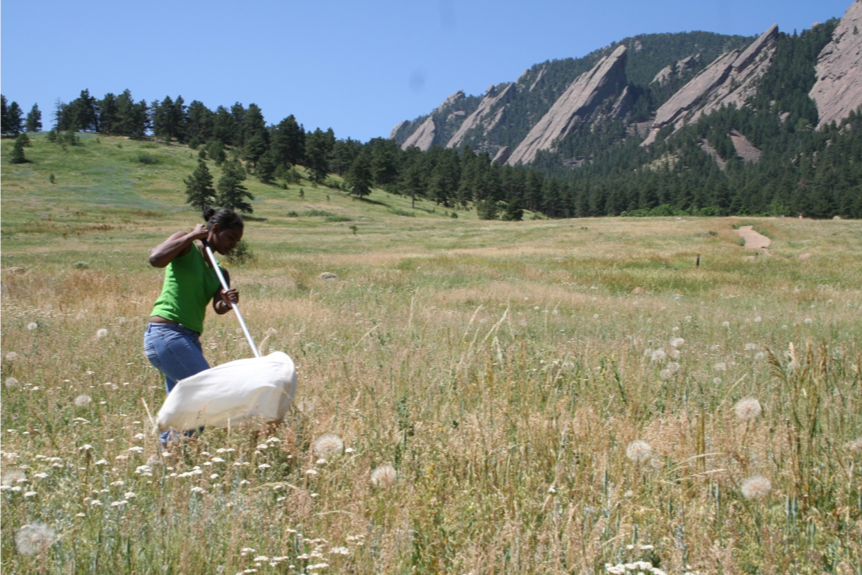
Entomologist César Nufio inherited 250 dusty boxes during his postdoc at CU-Boulder. Each of the boxes contained thousands upon thousands of grasshoppers.
What followed was nearly a decade of untangling the mystery of grasshopper physiology and resurveying the insects, following 50 years of climate change.
See the case study >moving the needle
It’s time for better biological models and stronger climate action plans
#ClimateActionNow
Our project is driven by a question being investigated by the IPCC (Intergovernmental Panel on Climate Change): What impact will a 1.5 vs 2°C climate warming have on organisms and ecosystems? The Paris Agreement sets out a global framework to avoid dangerous climate change by limiting global warming to below 1.5 or 2°C, but we have only a coarse understanding of what these temperature targets mean for organisms and ecosystems. Improved biological models will allow us to refine appropriate targets and to develop adaptation approaches if we fail to reach the targets. Both models and observations of ongoing responses to climate change make it clear that it’s past time for aggressive actions to curtail greenhouse gas emissions, but questions remain: Will species be able to evolve fast enough in response to climate change? How can conservation planning best account for climate change?
get involved
Further climate science
Learn about how scientists observe and project climate change impacts from sources such as the Intergovernmental Panel on Climate Change. Collect community science observations or help TrEnCh and related initiatives such as GEO BON EcoCode build biological models. Advocate for science funding to observe and project climate impacts.
Reduce carbon emissions
Take action to limit your individual carbon footprint and advocate for stronger governmental responses. And ensure that climate justice is a goal.
Conservation planning for change
Advocate for conservation planning that manages for species and ecosystem responses to climate change. Landscape protections that allow for movement, connectivity, and thermal refugia and account for uncertainty are key.